
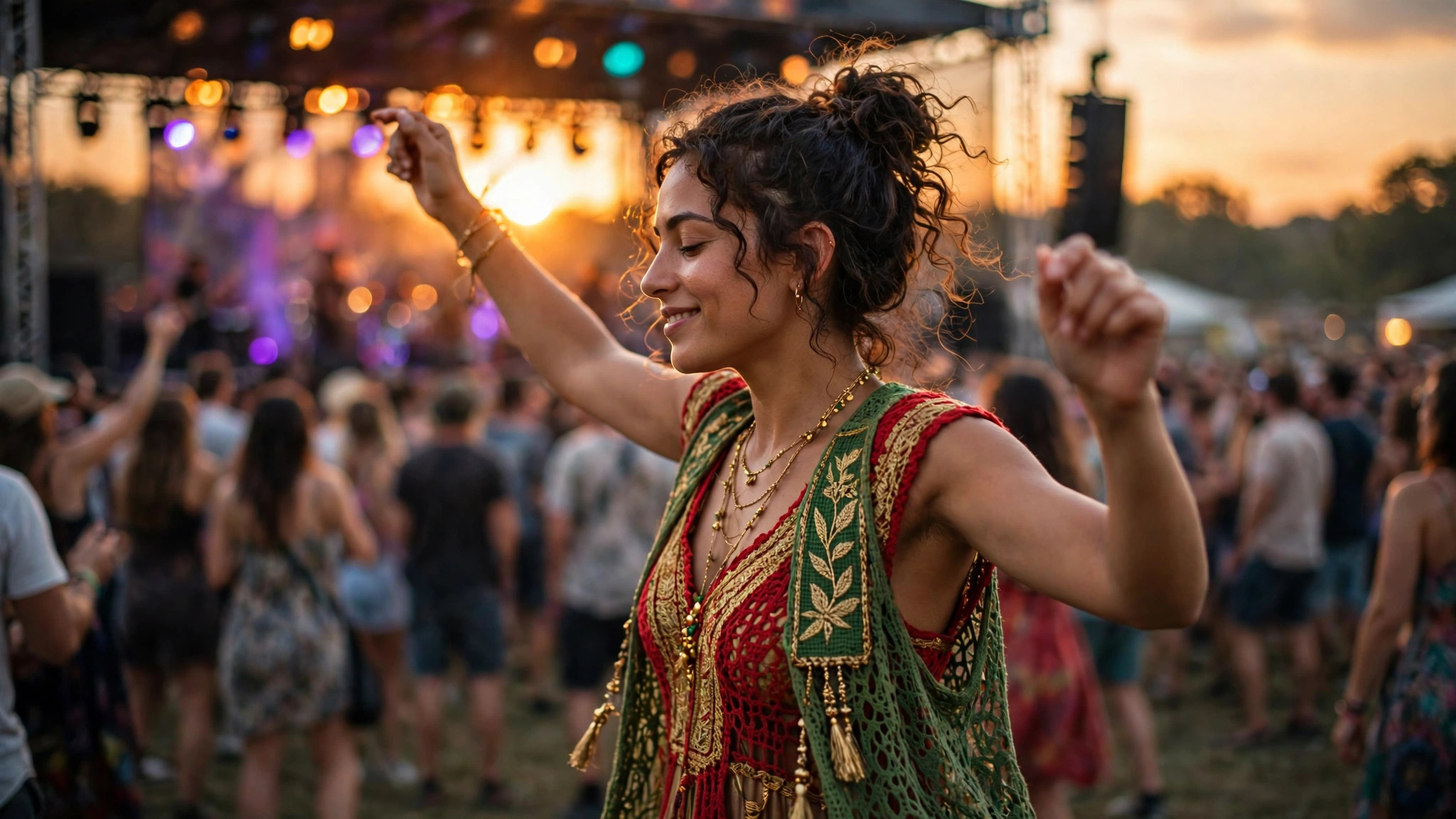
A reggae festival is a long day wearing a short outfit’s clothes. You arrive in the sun, you dance through the afternoon, the temperature drops after dark, it may rain, and the ground turns to mud under your feet — and the outfit that looked perfect in the mirror at home has to survive all of it. This guide is about building a festival outfit that holds up: a dress that breathes and moves, shoes that carry you across grass, layers that handle the evening chill, and a kit that fits in a small bag. The goal is simple. At midnight, when the last song ends, you should still feel like yourself — comfortable, dry enough, and ready to dance one more.
Start with the everyday version of the look. Our guide to Rasta Outfits for Women: Wearing Red, Gold and Green Well explains the colors and the proportions, and our guide to Rasta Colors explains what red, gold and green mean.
Key Takeaways
- All-day means tested, not just pretty. An outfit that only works in a photograph is not a festival outfit. Test it walking, sitting, dancing, and carrying a bag.
- Breathable fabric is the foundation. Cotton, rayon, and linen keep you cool in the sun and dry faster when the rain comes.
- One layer handles the night. A light jacket or a denim layer, packed in the morning and worn after dark, is the difference between leaving early and staying for the last song.
- Shoes decide the day. Flat, closed, broken-in shoes on grass beat new heels on every measure that matters.
- The kit is small and fixed. Hat, sunscreen, water, a light jacket, and a small bag — packed the same way every time, so nothing is forgotten.
- The colors still mean something. Red, gold and green are the colors of Ethiopia and the faith of Rastafari, and they belong at a reggae festival as much as anywhere.
Table of Contents
- The Problem: An Outfit That Quits by Noon
- What “All-Day” Actually Means
- The Foundation: Dress, Shoes, and Skin
- Layering: Day to Night Without a Second Outfit
- The Kit: What to Pack and How to Carry It
- Heat, Sun, and Rain: Dressing for the Weather
- Colors That Last: Red, Gold and Green in the Crowd
- Comfort Rules: The Small Choices That Save the Day
- Wear the Look: Three Dresses Built for the Whole Day
- Our View
- FAQ
The Problem: An Outfit That Quits by Noon
Every festival has the same casualties, and they are all wearing beautiful outfits that were never meant to last the day. The heels that were fine on the driveway and impossible on the grass. The white dress that met the mud by one o’clock. The strapless top that needed adjusting every three minutes. The jacket that was left in the car because it was warm at noon and missed by nine at night. None of these outfits were ugly. They were simply built for a photograph, not for a day — and a reggae festival is a day, twelve hours of sun and dancing and standing and walking, with weather that changes its mind and ground that changes under your feet.
The fix is to design for the day, not for the mirror. That means choosing the outfit by what it has to survive, in the order it has to survive it: the heat of the afternoon, the miles of walking, the evening chill, the rain that may or may not come, and the dancing that goes on through all of it. An outfit that holds up is not a boring outfit. It is a well-built one — a dress that breathes, shoes that carry you, a layer that waits in the bag, and colors that still mean something at midnight. This guide builds it, piece by piece, and it starts with the plainest question: what does all-day actually mean?
What “All-Day” Actually Means
All-day means three things, and they are not the same. It means duration: gates open in the late morning, the headliner plays after dark, and the walk back to the car takes an hour. It means activity: you will stand, walk, dance, sit on the grass, stand up again, and carry a bag through all of it. And it means weather: sun in the afternoon, a cool wind after sunset, and rain that arrives without asking. An outfit that only handles one of the three is an outfit that quits. The dress must breathe in the heat and still be warm enough with a layer at night. The shoes must grip the grass and survive the mud. The bag must hold the jacket, the water, and the sunscreen without weighing you down. Reggae itself is an all-day music — it grew, as UNESCO’s page on the reggae music of Jamaica records, out of the communities of Western Kingston and into festivals and concerts around the world — and the outfit should be built for the same long haul the music is.
Test the outfit the way the day will test it. Walk in it for twenty minutes, on grass if you can. Sit on the ground in it and stand up again. Dance in it for one song, in the shoes you will wear. Carry the bag you will carry, with the jacket and the water inside it. If anything pulls, slips, rubs, or needs holding up, fix it now — at home, with a mirror and a needle — because at the festival there will be no mirror, no needle, and no patience left. The best festival outfits are the ones that disappear: you stop thinking about them by the second song, and you do not think about them again until you are changing out of them at midnight, glad they held up.
The Foundation: Dress, Shoes, and Skin
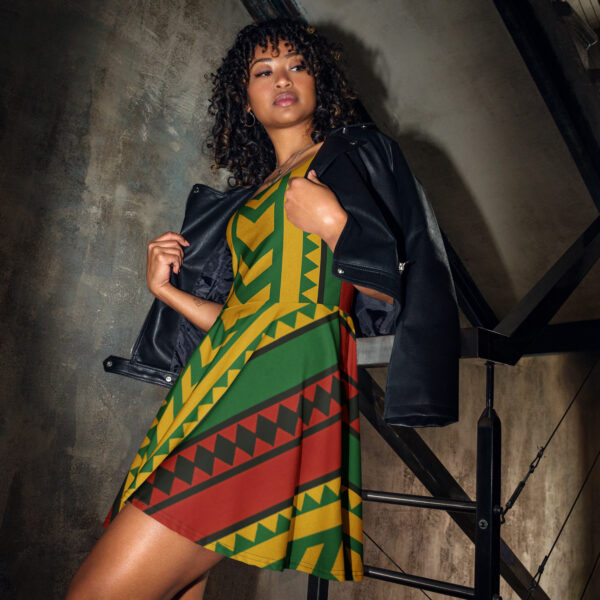
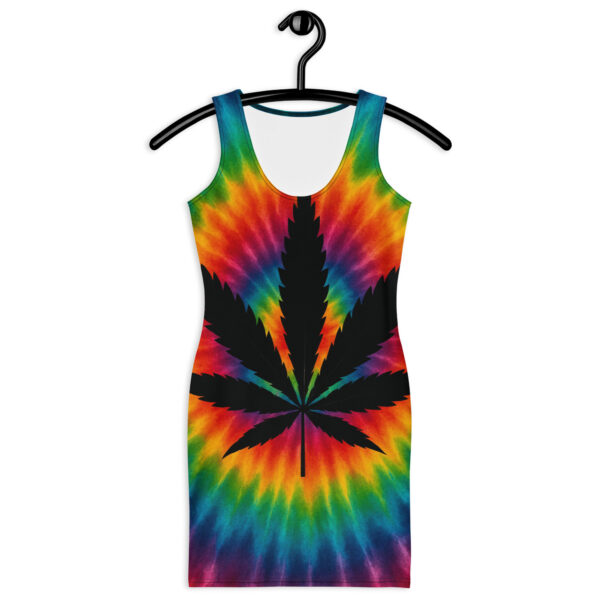
Start with the dress, because everything else hangs off it. A lightweight dress in a breathable fabric — cotton, rayon, or a cotton blend — is the foundation of an all-day festival look. A skater dress in the green, gold and red stripes moves when you dance and dries quickly when it rains. A bodycon dress in a festival print holds its shape through the day. A mini dress in tie-dye is the coolest choice for the hottest afternoon, as long as it is long enough to sit on the grass in. Whichever you choose, the tests are the same: can you walk in it, sit in it, dance in it, and carry a bag in it without thinking about it? If the answer is yes to all four, the dress is the right one.
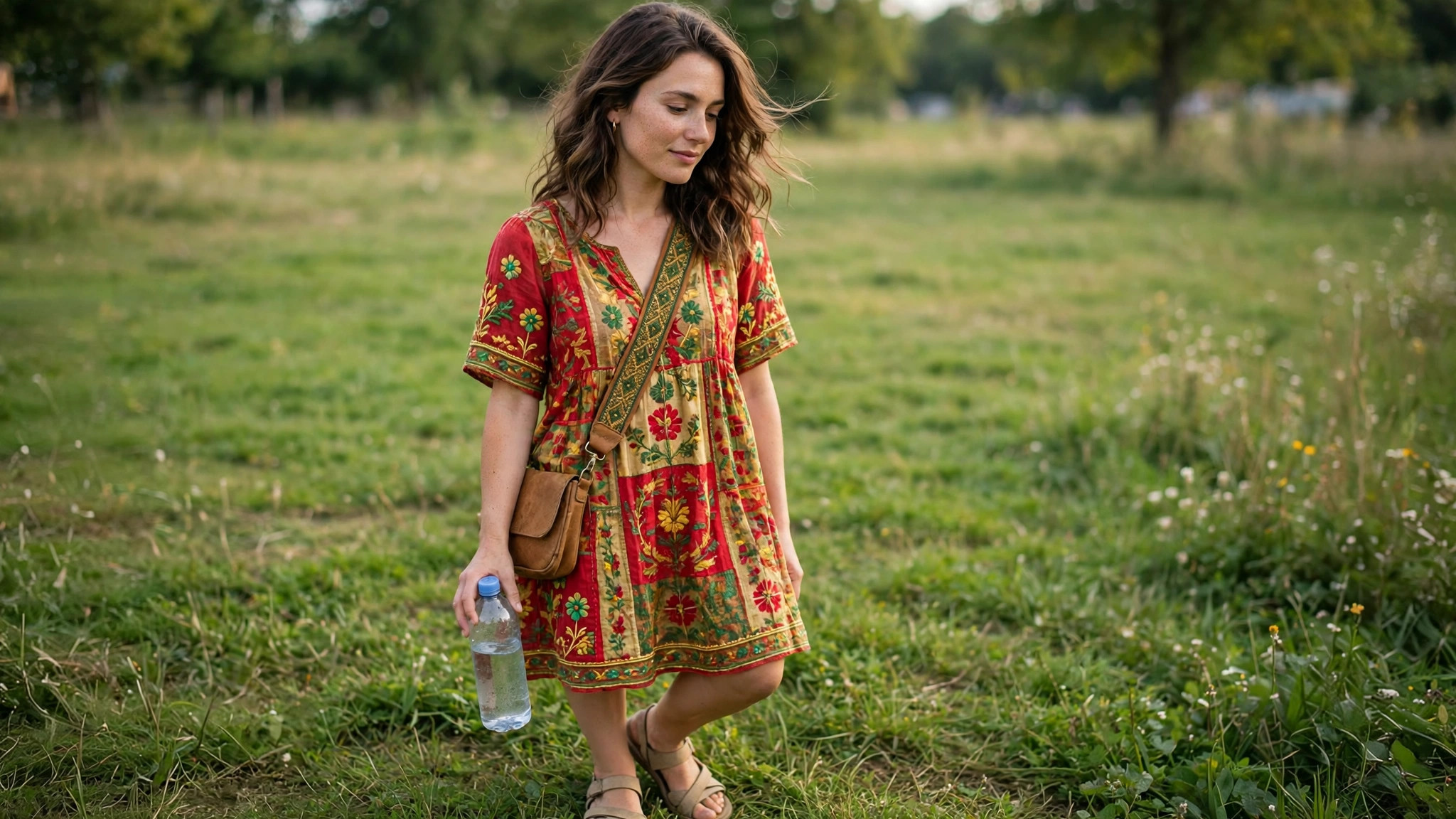
Shoes come next, and they matter more than the dress. On grass, heels sink; on mud, they stick; on a long walk, they punish. The right festival shoe is flat, closed or strapped, broken in before the day, and grippy enough for wet grass. Sandals with a proper sole work when the ground is dry. Trainers in a plain color work when it is not. Closed shoes protect your toes in the crowd, which is a kindness you will appreciate by the third hour. Whatever you choose, wear them in for a week first — a new shoe at a festival is a blister with a schedule. And your skin comes third: sunscreen on every exposed part before you leave, reapplied at midday, and a hat or a tam for the hours when the sun is straight overhead. Sunburn is the festival injury that lasts longest, and it is the easiest to prevent.
Layering: Day to Night Without a Second Outfit
The temperature at a festival can drop ten degrees between the afternoon and the headliner, and the outfit that was perfect at three in the afternoon can leave you shivering by nine. The answer is not a second outfit. It is one layer, chosen in the morning and carried all day. A light denim jacket is the classic: it goes over any dress, it takes the edge off the evening wind, and it looks right with the colors. A thin cardigan in gold or green does the same work more softly. A light rain jacket, if the forecast threatens, does it while keeping you dry. The layer should be light enough to tie around your waist or fold into the bag when the sun is high, and warm enough to matter when the sun is gone.
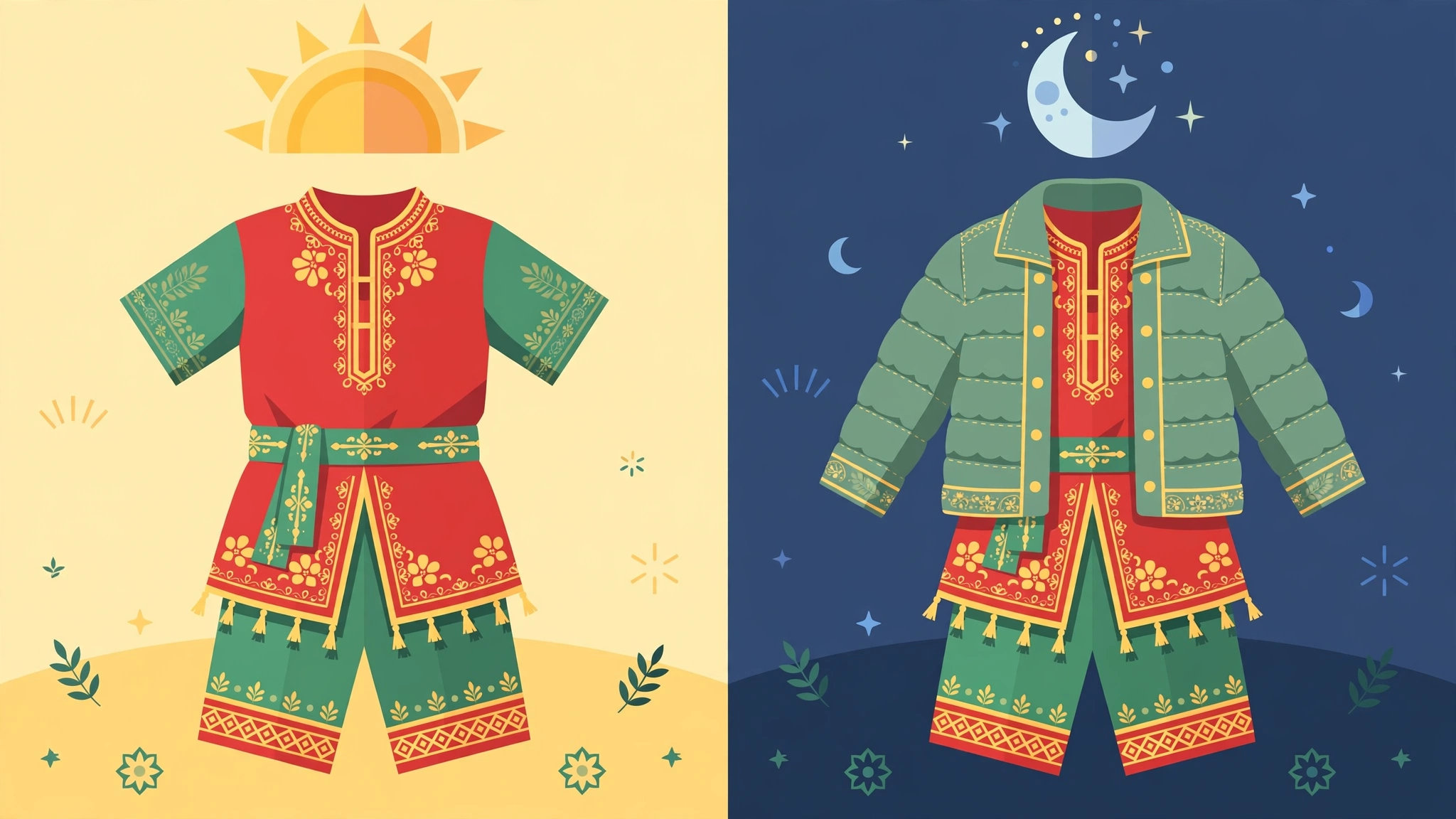
Layer in the right order. The dress is the base. The layer goes over it, never under it — a jacket under a dress bunches and pulls, while a jacket over a dress drapes and protects. The tam can stay on all day; it keeps the sun off at noon and the warmth in at night. And when the layer comes off in the heat, it should go somewhere it will not be lost: tied at the waist, folded into the bag, or worn over the shoulders. A jacket left on a fence is a jacket that belongs to someone else by morning. The rule for layering is the rule for the whole day: one layer, chosen in advance, carried with you, and worn when the air changes — not a wardrobe, but a plan.
The Kit: What to Pack and How to Carry It
Everything you need for a festival day fits in a small bag, and it fits the same way every time. The kit is fixed: a hat or tam for the sun, sunscreen, a water bottle, a light jacket, and a small crossbody bag to hold them all. Add a phone, a little cash, and a snack if you like — but the core five never change, and packing them the same way every time means nothing is forgotten. Lay the kit out on a blanket the night before, the way you would lay out the outfit, and check it against the list. The morning of the festival is the worst time to discover that the sunscreen is empty or the jacket is still in the wash.
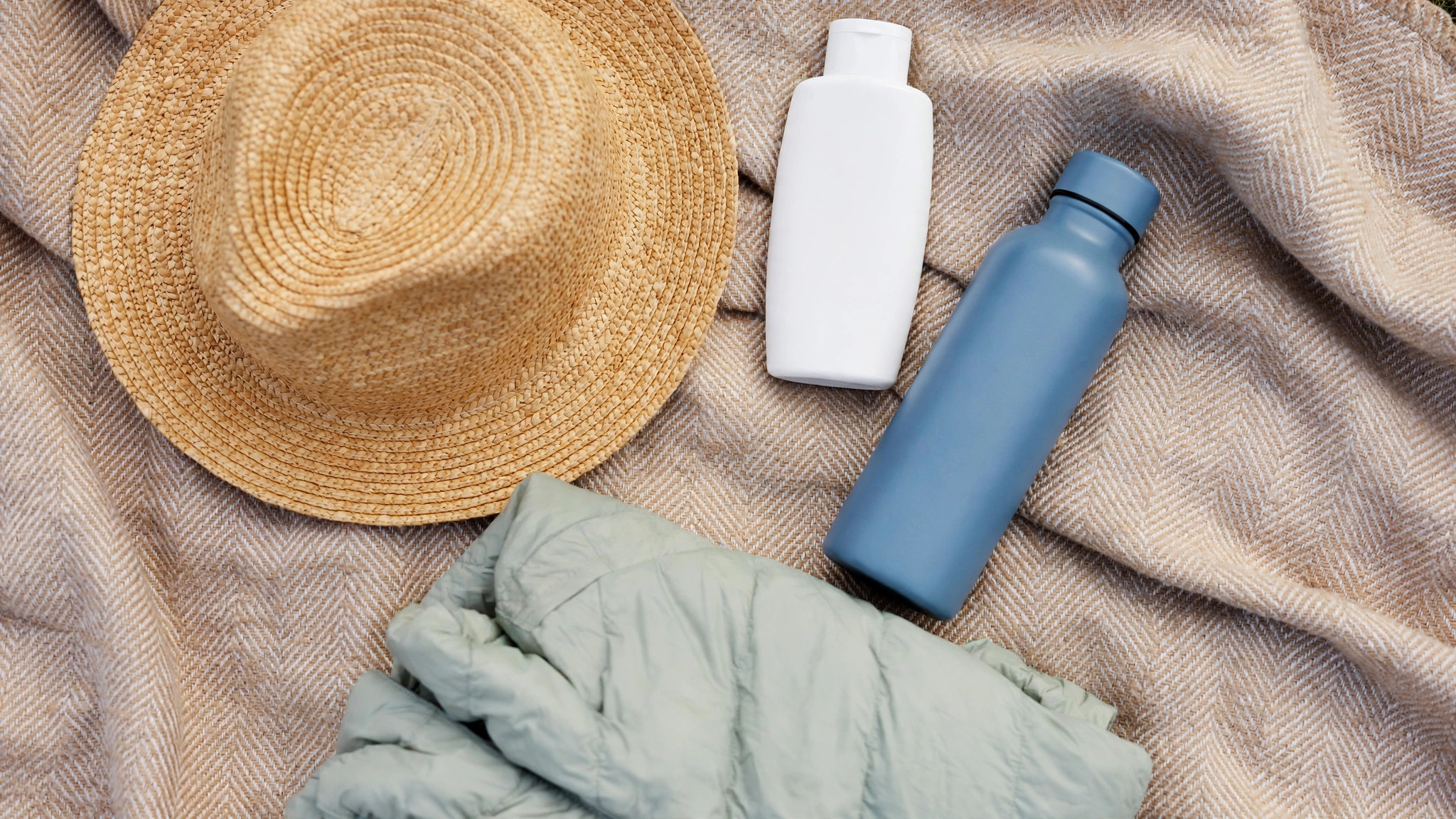

Carry the kit across your body, not in your hands. A small crossbody bag or a compact backpack keeps your hands free for dancing, for holding a drink, and for holding the people you came with. It also keeps the bag where you can feel it, which matters in a crowd. Pack the heaviest thing — the water — at the bottom and closest to your back, the jacket rolled on top, and the sunscreen and phone where you can reach them without unpacking. And leave room: the day will add things — a flyer, a friend’s jacket, a souvenir — and a bag that is full at noon is a bag that bursts by nine. Our guide to what to pack for a 420 festival covers the same kit in more detail, and our guide to the best music festivals in the US will help you choose the next day worth packing for.
Heat, Sun, and Rain: Dressing for the Weather
Festival weather is a rumor until it happens, so dress for all three forecasts at once. For heat, choose light colors and loose cuts: a light dress in a pale color reflects the sun, while a dark, tight dress absorbs it. Cotton and rayon breathe; synthetics trap sweat against the skin. For sun, the tam or hat is not optional, and neither is the sunscreen — apply it before you leave, reapply at midday, and do not forget the ears, the back of the neck, and the tops of the feet. For rain, a light jacket with a hood beats an umbrella in a crowd, and a dress that dries quickly beats a dress that holds water. If the ground turns to mud, closed shoes and a steady step beat clean shoes and a hurry.
Drink water before you feel thirsty, and keep drinking through the day. Dancing in the sun is exercise, and the body does not send a polite invitation before it runs dry. Eat something real at midday — not only snacks — and keep a little food in the bag for the evening, when the queues are long and the headliner is about to start. And know the signs that the day is asking too much: dizziness, a headache that will not quit, and skin that has stopped sweating in the heat. If any of those appear, find shade, drink water, and rest. The music will still be there in an hour. The day is long, and the outfit that holds up is the one worn by a person who is still standing at the end of it.
Colors That Last: Red, Gold and Green in the Crowd
At a reggae festival, the colors are not a costume — they are the crowd. Red, gold and green have been the colors of the movement since the flag of Ethiopia gave them to it, and they belong at the festival as much as anywhere. Our guide to Rasta Colors explains what each one stands for — red for the blood of the martyrs, gold for the wealth of the land, green for the life that grows on it — and our guide to Rasta Outfits for Women: Wearing Red, Gold and Green Well explains how to wear them in proportion: one color leading, one supporting, one as the accent. The festival is where that proportion proves itself, because the crowd is the test: an outfit that is all three colors at full strength, with nothing neutral to rest the eye, disappears into the noise. An outfit with one color leading and the others answering stands out — and it still reads as Rasta from the back of the field.
The colors also do practical work at a festival. They make you findable: in a crowd of thousands, a friend in a green and gold striped dress is a landmark. They photograph well in golden hour, when the low sun warms the red and the gold and turns the green deep. And they connect you to the music: reggae’s colors are the movement’s colors, and wearing them at a reggae festival is wearing the uniform of the occasion — not a uniform imposed on you, but one you chose. The history behind the colors runs deep: New World Encyclopedia’s Rastafari overview traces the faith and its symbols, and EBSCO’s Rastafari movement overview describes the beliefs that give them weight. Wear them with that knowledge, and they will never look like a trend.
Comfort Rules: The Small Choices That Save the Day
The difference between a good festival day and a miserable one is rarely the headline act. It is the small choices. Break the shoes in for a week — a new shoe at a festival is a blister with a schedule. Wear the outfit once at home, for a whole day, and fix whatever pulls or slips before the festival fixes it for you. Pack the bag the night before, and put the sunscreen where you can reach it without unpacking. Eat a real breakfast, because dancing on an empty stomach is a short road to a headache. Bring a little cash as well as a card, because the signal dies exactly when you need it. And make a meeting point with your friends before you go in — in a crowd with no signal, a meeting point is worth more than a phone.
Look after each other, too. If a friend is flagging, find shade and water together. If a stranger is struggling in the heat, offer the water before you offer the advice. A festival is a community for a day, and the same spirit that built the music — the voice of the marginalized, as UNESCO’s reggae listing puts it — is the spirit that looks after the people in the crowd. And when the day is done, change out of the outfit before the drive home: clean clothes, dry shoes, and a long drink of water. The outfit did its job. Let it rest, wash it cold and inside out, and it will be ready for the next festival — and so will you.
Wear the Look: Three Dresses Built for the Whole Day
The three dresses below are the ones this guide is built around: a skater dress in green, gold and red stripes that moves the way a festival needs it to, a festival dress in the full red, gold and green leaf print, and a tie-dye mini for the hottest part of the afternoon. All three are from our own Fifth Degree™ shop, all three are breathable, and all three are priced for a day out — not for a photograph.

Our View
We make festival clothes for people who actually go to festivals — who dance in the sun, stand in the rain, and stay for the last song. That is why our dresses are cut to move, our fabrics are chosen to breathe, and our prices are set for a day out rather than a photograph. The best festival outfit is the one you forget you are wearing until someone asks where it came from. Build it for the whole day, wear the colors with the meaning first, and let the music do the rest.
FAQ
What should a woman wear to a reggae festival?
A lightweight, breathable dress in red, gold and green — a skater dress, a festival dress, or a mini dress — with flat, broken-in shoes, a tam or hat, and a light jacket for the evening. Add sunscreen, water, and a small crossbody bag. Our guide to what to wear to a reggae festival covers the same ground for the whole crowd.
What shoes are best for a reggae festival?
Flat, closed or strapped shoes with grip, broken in for a week before the day. Sandals with a proper sole work when the ground is dry; trainers work when it is wet. Heels sink into grass and stick in mud, and new shoes are a blister with a schedule.
What should I pack for an all-day festival?
The fixed kit: a hat or tam, sunscreen, a water bottle, a light jacket, and a small crossbody bag — plus your phone, a little cash, and a snack. Pack it the same way every time, the night before, so nothing is forgotten. Our guide to what to pack for a 420 festival covers the kit in more detail.
How do I stay cool at an outdoor festival?
Choose light colors and loose, breathable fabrics; wear a hat or tam; drink water before you feel thirsty; and rest in the shade when the sun is highest. Cotton and rayon breathe, synthetics trap heat. A light dress that moves air around you is worth more than any amount of shade.
What if it rains at the festival?
A light jacket with a hood beats an umbrella in a crowd, and a dress that dries quickly beats one that holds water. Closed shoes keep your feet safe in the mud, and a steady step beats a hurry. Keep the phone and cash in a sealed pocket or a small dry bag inside your crossbody.
Can I wear red, gold and green to any reggae festival?
Yes — the colors are the movement’s colors, and a reggae festival is where they belong. Wear them in proportion, with one color leading, and with the meaning behind them. Our guide to Rasta Colors explains what each color stands for.
Questions about what we make or why we make it?
We are a small shop with a big respect for the culture we serve. If you want help choosing a piece, or you want to talk about the meaning behind it, contact us and a real person will answer.
Sources
- UNESCO — Reggae music of Jamaica
- New World Encyclopedia — Rastafari
- Smithsonian Magazine — One Love: Discovering Rastafari
- EBSCO Research Starters — Rastafari movement
- Britannica — Haile Selassie I
- Library of Congress, Country Studies — Ethiopia
- Smithsonian Libraries — Collection record
- Crown Council of Ethiopia — Statements
- Bible Gateway — Numbers 6 (NIV), The Nazirite vow
- Bible Gateway — Judges 13 (NIV), The Birth of Samson
- Bible Gateway — Leviticus 21:5 (NIV), Priests must not shave their heads



Leave a comment
Your email address will not be published. Required fields are marked *