Search

Jamaican Clothing Brands’ Impact on Global Fashion

Jamaica is known for its vibrant culture, rich history, and unique blend of music, art, and fashion. Among the most powerful expressions of Jamaican culture is its clothing, which reflects the island’s distinctive lifestyle, influences, and traditions. Over the years, Jamaican clothing brands have become an important part of global fashion, fusing the island’s colorful heritage with contemporary styles to create something truly unique. In this blog post, we will explore the impact of Jamaican clothing brands, their influence on global fashion trends, and the reasons behind their growing popularity.

The Cultural Influence Behind Jamaican Clothing Brands

Jamaica’s culture is deeply intertwined with its history, music, and people. From reggae and ska to the influence of Rastafarianism, the island’s fashion is a visual reflection of its multifaceted identity. Jamaican clothing brands often incorporate elements that speak to the island’s vibrant culture, including bold colors, tropical prints, and iconic symbols such as the Rastafarian lion or the famous Jamaican flag. These designs are not just for style, but are meant to celebrate Jamaican pride and unity.

The global popularity of reggae music, spearheaded by legends like Bob Marley, has played a significant role in promoting Jamaican culture worldwide. Reggae’s messages of peace, unity, and social justice have transcended the boundaries of music, influencing everything from art to fashion. Jamaican clothing brands draw on these cultural elements, creating designs that convey messages of freedom, expression, and empowerment. As the world has become more connected through globalization and the spread of music and media, these clothing brands have found a wider audience beyond the island, making a lasting impact on global fashion trends.

The Rise of Jamaican Clothing Brands in Global Fashion

Jamaican clothing brands have come a long way from being locally recognized to becoming international symbols of fashion and cultural pride. With the rise of social media and online shopping, these brands now have the ability to reach a global audience. Many of them focus on creating bold, fashion-forward pieces that represent not only the beauty of Jamaica but also its struggle for social justice, freedom, and equality. Through innovative designs, Jamaican clothing brands are able to carve out a unique identity in the highly competitive fashion world.

Some of the most well-known Jamaican clothing brands have successfully built a reputation for themselves both locally and globally. These brands draw inspiration from the island’s natural beauty, music, and traditions, blending contemporary fashion with traditional elements to create a look that is distinctly Jamaican. As the fashion industry continues to evolve, Jamaican clothing brands are finding innovative ways to push boundaries, offering clothing that speaks to the island’s rich history while embracing modern trends.

Key Elements of Jamaican Clothing Brands

When examining Jamaican clothing brands, there are a few common themes and elements that set them apart from other fashion labels. These elements not only reflect the island’s cultural identity but also contribute to the growing popularity of Jamaican fashion on the global stage.

1. Bold Colors and Tropical Prints

One of the most recognizable features of Jamaican clothing brands is the use of bold colors and tropical prints. The island’s natural beauty, with its lush greenery, vibrant flowers, and bright, sunny days, is a major influence on the clothing designs. Bright yellows, greens, reds, and oranges are commonly used to represent the Jamaican flag, while palm trees, tropical flowers, and beach scenes are often incorporated into prints. These colors and designs create a sense of energy and vibrancy that is instantly recognizable and captures the essence of the island’s relaxed yet passionate lifestyle.

2. Rastafarian Influence

Rastafarianism has played an integral role in shaping Jamaican culture, and its influence is deeply reflected in many Jamaican clothing brands. The iconic Rastafarian colors—red, yellow, and green—are often featured in clothing designs, and symbols like the Lion of Judah are frequently incorporated. For many, wearing these colors or symbols is a way to honor the island’s spiritual roots and show support for the Rastafarian movement’s messages of unity, resistance, and freedom. Rastafarianism has also contributed to a cultural shift towards natural and organic living, which is another aspect that is often reflected in Jamaican fashion, including the use of eco-friendly materials and designs that promote self-expression and individuality.

3. Reggae and Music-Inspired Designs

Reggae music has been a global ambassador for Jamaican culture, and its influence can be seen in the designs of many Jamaican clothing brands. T-shirts, hoodies, and other items often feature images of legendary reggae artists, lyrics from famous songs, and symbols of the music’s deep connection to social and political change. The messages of peace, love, and resistance that are central to reggae music are often reflected in clothing designs, making them not just a fashion statement but also a way to express one’s beliefs and values.

4. Caribbean-Inspired Styles

In addition to Rastafarian and reggae influences, many Jamaican clothing brands incorporate Caribbean-inspired styles into their collections. These include laid-back, beachy looks such as tank tops, linen shirts, and flip-flops, as well as more structured pieces that reflect the island’s vibrant nightlife and party culture. Jamaican fashion often blends comfort with style, creating clothing that can be worn both for relaxation and celebration. Whether you’re at a beach party or a reggae concert, Jamaican-inspired fashion is perfect for those who want to stand out while embracing the carefree spirit of the Caribbean.

Notable Jamaican Clothing Brands

Several Jamaican clothing brands have made a name for themselves both locally and internationally, helping to put Jamaican fashion on the map. Here are some examples of brands that have gained recognition for their unique designs and cultural significance:

1. Caribbean Soul

Caribbean Soul is one of Jamaica’s most popular clothing brands, known for its vibrant, tropical-inspired designs. The brand focuses on creating high-quality apparel that celebrates Caribbean culture, with a particular emphasis on Jamaica’s beauty and traditions. Caribbean Soul’s clothing line includes a mix of casual and dressy pieces, all adorned with tropical prints, reggae-inspired graphics, and messages that promote love and unity.

2. Rastafari Clothing

Rastafari Clothing is a well-known brand that honors the Rastafarian movement through its clothing. The brand’s designs prominently feature the iconic red, yellow, and green colors of Rastafarianism, as well as the Lion of Judah and other symbolic imagery. Rastafari Clothing has gained a loyal following among those who identify with the values and messages of Rastafarianism, as well as those who appreciate the cultural significance of these designs.

3. Island Threads

Island Threads is another popular Jamaican clothing brand that specializes in creating stylish, comfortable, and functional clothing inspired by island life. Known for its use of natural fabrics, vibrant prints, and relaxed styles, Island Threads has carved a niche for itself in the global market. The brand’s collections feature everything from laid-back beachwear to trendy streetwear, all infused with a touch of Jamaican culture.

The Global Appeal of Jamaican Clothing Brands

The global appeal of Jamaican clothing brands lies in their ability to blend rich cultural influences with contemporary fashion trends. As the world becomes increasingly globalized, more people are drawn to the vibrant, carefree, and expressive nature of Jamaican fashion. Whether it’s a reggae festival, a vacation in the Caribbean, or simply a desire to express one’s love for Jamaica, these clothing brands offer something that resonates with people from all walks of life.

Jamaican clothing brands not only offer stylish and high-quality apparel, but they also serve as a means of connecting with a larger cultural movement. The bold colors, reggae influences, and Rastafarian symbolism are more than just fashion statements—they represent a lifestyle, a philosophy, and a deep-rooted connection to the island’s history and culture. As Jamaica’s cultural influence continues to grow globally, Jamaican clothing brands will remain an essential part of this dynamic, continuing to inspire and shape global fashion for years to come.

Conclusion

The rise of Jamaican clothing brands has played a pivotal role in bringing the island’s rich cultural heritage to the global stage. Through vibrant colors, reggae-inspired designs, and Rastafarian symbolism, these brands have created a unique and powerful fashion statement that celebrates the spirit of Jamaica. As more people embrace the messages of peace, unity, and social justice that are at the heart of Jamaican culture, these clothing brands will continue to thrive, offering individuals a way to connect with a larger cultural movement while showcasing their personal style. Whether you’re wearing a t-shirt with a Bob Marley quote or donning a vibrant Rastafarian-inspired jacket, Jamaican clothing is a symbol of freedom, creativity, and cultural pride.
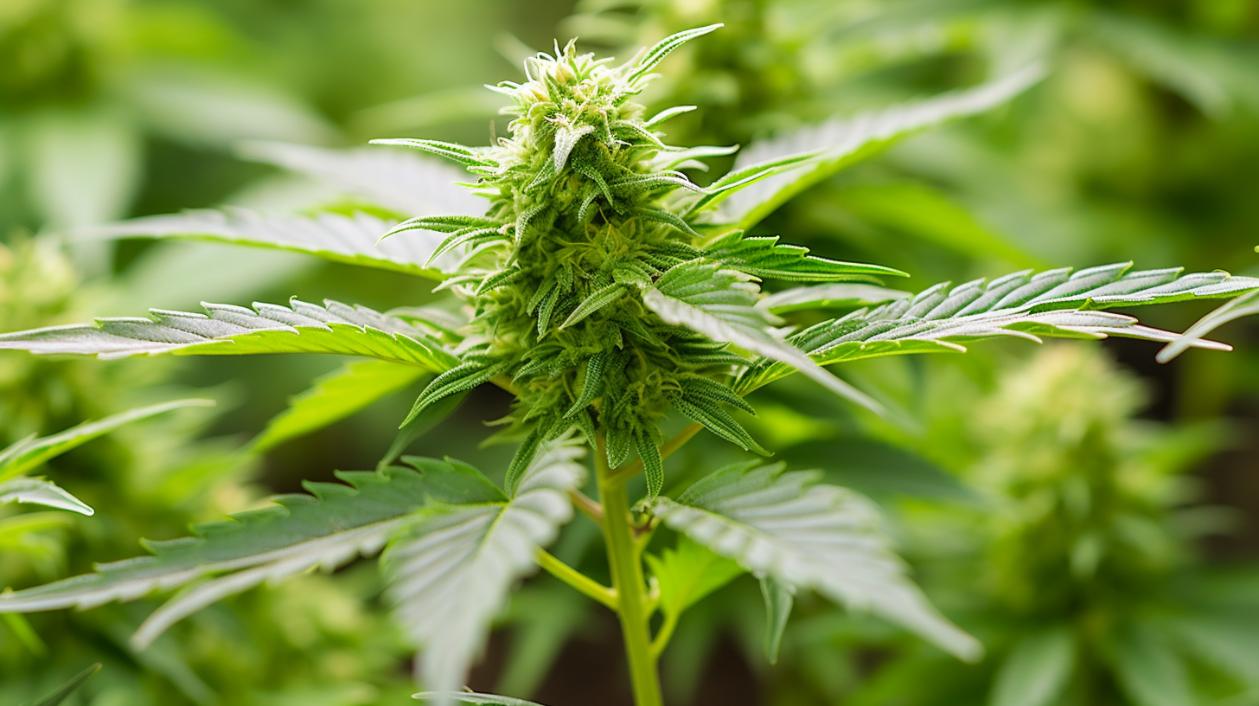
The 420 Clothing Line: A Bold Expression of Cannabis Culture

The cannabis culture has undergone a significant transformation over the past few decades. From being largely stigmatized to gaining widespread acceptance, marijuana use is now viewed by many as a lifestyle choice rather than something to be hidden in the shadows. One of the most visible aspects of this cultural shift has been the rise of the 420 clothing line. This trend reflects the growing popularity of cannabis and the acceptance of marijuana use as a cultural movement. In this blog post, we will explore the origins, impact, and appeal of the 420 clothing line, as well as how it has become a symbol of freedom, creativity, and self-expression for cannabis enthusiasts worldwide.

Understanding the 420 Culture

Before diving into the specifics of the 420 clothing line, it is important to understand the cultural significance of the term “420.” The number 420 is often associated with cannabis culture, particularly in reference to the ritual of smoking marijuana at 4:20 p.m. or on April 20th (4/20 in the U.S. date format). It all began in the 1970s with a group of high school students in San Rafael, California, who used to meet after school at 4:20 p.m. to smoke marijuana. Over time, the number 420 became synonymous with marijuana consumption, and it became a symbol of the cannabis movement.

April 20th, or “4/20,” has since become an unofficial holiday for cannabis enthusiasts, where people gather to celebrate the plant and its cultural significance. This day is marked by protests, celebrations, and activism aimed at furthering the legalization of marijuana. The 420 clothing line has become an integral part of these celebrations, allowing individuals to express their support for cannabis culture in a fun and fashionable way.

The Rise of the 420 Clothing Line

The cannabis industry has witnessed a massive boom in recent years, with more and more states and countries legalizing marijuana for both medical and recreational use. As cannabis use becomes more mainstream, there has been a growing demand for products that reflect this cultural shift. This demand has led to the emergence of the 420 clothing line, a trend that combines fashion with cannabis culture.

The 420 clothing line includes a wide variety of apparel, from casual streetwear to high-end fashion, all featuring cannabis-inspired designs and slogans. These designs often incorporate marijuana leaves, the number 420, cannabis-related slogans, and images that represent the carefree, fun, and rebellious nature of the cannabis community. For many people, wearing these items is a way to show pride in their cannabis use, express solidarity with the movement for legalization, and challenge the stigma surrounding marijuana.

The fashion industry has responded to this demand by creating a wide range of clothing items, including t-shirts, hoodies, hats, socks, and even accessories such as jewelry and bags. These products are often designed to be bold and eye-catching, with vibrant colors and creative graphics that make a statement. Whether it’s a simple logo or a more intricate design featuring cannabis leaves and other related imagery, the 420 clothing line offers something for everyone.

The Appeal of the 420 Clothing Line

There are several reasons why the 420 clothing line has become so popular among cannabis enthusiasts. Below are some of the key factors that contribute to its appeal:

1. Self-Expression and Identity

For many cannabis users, the 420 clothing line serves as a form of self-expression. Just as people use clothing to communicate their interests, beliefs, and affiliations, cannabis enthusiasts use 420 apparel to showcase their connection to the cannabis community. Wearing cannabis-themed clothing allows individuals to express their identity as a cannabis user while simultaneously celebrating their involvement in the larger movement for legalization and acceptance.

The 420 clothing line allows individuals to wear their passion on their sleeves, literally. Whether it’s a t-shirt emblazoned with a catchy cannabis-related slogan or a hoodie featuring a marijuana leaf design, these items become a conversation starter, allowing wearers to connect with like-minded individuals and demonstrate their support for cannabis culture.

2. Normalizing Cannabis Use

The stigma surrounding marijuana use has been gradually diminishing, but for some, it is still an issue. The 420 clothing line plays an important role in normalizing cannabis consumption by making it visible in mainstream culture. Wearing cannabis-inspired clothing allows individuals to participate in the normalization process, showing that marijuana use is no longer something to be ashamed of.

This normalization also extends to younger generations who may not have grown up with the same societal taboos surrounding cannabis. For these individuals, wearing 420 clothing is a way to demonstrate that marijuana use is not only socially acceptable but also a part of their personal identity.

3. Celebration of Cannabis Culture

The 420 clothing line is also about celebrating cannabis culture in all its forms. From the music to the art, cannabis culture has a rich and diverse history that has influenced countless aspects of mainstream society. The 420 clothing line embraces this diversity by offering a wide range of designs that reflect different facets of cannabis culture, from reggae-inspired designs to more modern, streetwear-focused styles.

For cannabis enthusiasts, wearing clothing that represents their love for the plant is a way to celebrate not only the act of smoking marijuana but also the cultural and social movements that have emerged alongside it. Whether it’s a graphic tee celebrating 4/20 or a hoodie featuring the iconic marijuana leaf, these clothing items allow wearers to express their pride in cannabis culture and the progress that has been made toward its acceptance and legalization.

4. Comfort and Versatility

Another reason for the popularity of the 420 clothing line is the comfort and versatility of the clothing itself. Many of the items in the line are designed with comfort in mind, offering soft fabrics and relaxed fits that make them ideal for casual wear. T-shirts, hoodies, and sweatshirts are often made from cotton, fleece, or other cozy materials that provide a comfortable fit for all-day wear.

Moreover, these clothing items are highly versatile. A 420 t-shirt can be paired with jeans or shorts for a laid-back look, while a 420 hoodie can be worn over a casual outfit for added warmth and style. These items are not only suitable for casual wear but also for attending music festivals, marijuana-related events, or simply lounging with friends.

The Impact of the 420 Clothing Line on Fashion

The 420 clothing line has had a notable impact on the fashion world, especially as marijuana becomes more accepted in society. Major fashion brands and independent designers have started incorporating cannabis-inspired designs into their collections, recognizing the growing demand for marijuana-related apparel. What was once considered niche or countercultural is now becoming mainstream, as cannabis-inspired fashion gains popularity among a wider audience.

In addition to mainstream fashion brands, the 420 clothing line has also given rise to independent brands that focus solely on cannabis-themed apparel. These brands often offer unique designs that appeal to niche audiences, from stoners to cannabis activists to those who simply enjoy the artistic expression associated with cannabis culture.

How to Incorporate the 420 Clothing Line Into Your Wardrobe

If you’re looking to incorporate the 420 clothing line into your wardrobe, there are a variety of options to choose from. Here are a few ideas to help you style your cannabis-inspired clothing:

1. Casual Streetwear

Pair a bold 420 t-shirt with your favorite jeans or cargo pants for a laid-back, streetwear-inspired look. Add a cap or beanie with a cannabis logo or marijuana leaf design to complete the ensemble. This simple yet stylish look is perfect for everyday wear or casual outings.

2. Layering for Festivals

Music festivals and 4/20 celebrations are the perfect opportunity to showcase your cannabis-inspired clothing. Layer a 420 hoodie over a graphic tee and pair it with comfortable joggers or shorts. Add some accessories, like a weed-themed bracelet or necklace, to enhance the look.

3. Elevated Street Style

For a more elevated take on the 420 clothing line, pair a cannabis-themed jacket or bomber with a simple white shirt and dark jeans. This edgy style allows you to incorporate cannabis culture into a more polished, urban look.

Conclusion

The 420 clothing line has become much more than just a fashion trend; it is a cultural movement that celebrates the growing acceptance and normalization of cannabis. Through self-expression, comfort, and a sense of community, the 420 clothing line has empowered cannabis enthusiasts to proudly showcase their love for marijuana. As the cannabis industry continues to evolve, the 420 clothing line will undoubtedly remain a key player in the fashion world, symbolizing freedom, creativity, and the fight for social change. Whether you’re attending a 4/20 celebration or simply want to show your support for cannabis culture, the 420 clothing line offers a way to do so with style and pride.

Rasta Patches: A Symbol of Unity, Culture, and Self-Expression

Rasta patches are more than just decorative items; they represent a cultural movement that has transcended its origins in Jamaica to become a symbol of unity, identity, and resistance across the globe. Whether sewn onto jackets, bags, or hats, these vibrant, iconic patches hold a deep connection to the Rastafarian religion and its rich history. In this blog post, we’ll explore the significance of Rasta patches, their roots in the Rastafarian culture, the various styles and designs available, and how you can incorporate them into your wardrobe for a bold statement of individuality and unity.

The Roots of Rasta Patches: A Brief History

To understand the significance of Rasta patches, it’s essential to first look at the origins of the Rastafarian movement. Founded in Jamaica in the 1930s, Rastafarianism was inspired by the teachings of Marcus Garvey, a prominent Pan-African leader who advocated for black empowerment, the repatriation of Africans to their ancestral homeland, and the rejection of colonial oppression. Garvey’s philosophy resonated deeply with the Afro-Jamaican population, many of whom had experienced racial discrimination and social injustice.

The Rastafarian movement grew in the 1930s and 1940s, with its central figure being Haile Selassie I, the Emperor of Ethiopia, whom Rastas regard as a divine figure, the earthly manifestation of God, or Jah. The Rastafarian religion promotes values such as peace, love, respect, and unity among all people, regardless of race or nationality. A central aspect of this faith is the belief in the power of the African diaspora and the celebration of Afrocentric identity.

Incorporating elements of reggae music, which became globally popular through the iconic musician Bob Marley, the movement spread internationally. Along with it came the distinctive symbols and designs associated with Rastafarian culture, many of which are embodied in Rasta patches.

The Symbolism of Rasta Patches

The primary colors associated with Rasta patches are red, green, and yellow. These colors are deeply rooted in the history and symbolism of the Rastafarian faith. Here’s a closer look at what each color represents:

  • Red: This color symbolizes the bloodshed of those who have fought for freedom and the struggle for liberation. It represents the sacrifice and suffering of the African people, particularly in their fight against colonialism and oppression.
  • Green: Green represents the fertile land of Africa, the motherland, and the hope for future prosperity. It is a symbol of the Rastafarian movement’s connection to the earth and nature.
  • Yellow (Gold): Yellow, or gold, symbolizes the wealth and prosperity of the African continent. It also represents the riches of the spirit and the divine light that Rastafarians believe guides them.

Together, these colors form a powerful visual identity for the Rastafarian culture. When worn, Rasta patches are not only a reflection of the movement’s colors but also its ideologies—freedom, unity, and a deep connection to African heritage.

Apart from these primary colors, Rasta patches often include other symbols such as the Lion of Judah, the image of Haile Selassie I, and the Ethiopian flag. These patches are not just accessories but carry a sense of history and pride for those who wear them.

Types of Rasta Patches

There are many different types of Rasta patches available today, each with its own unique design and meaning. Let’s explore the most popular types:

1. Lion of Judah Patches

The Lion of Judah is one of the most recognizable symbols in Rastafarian culture. It represents strength, courage, and the power of Jah, the Rastafarian God. The lion is associated with the biblical lineage of King Solomon and the Queen of Sheba, as well as with Haile Selassie I, whose family was believed to have descended from the ancient Israelite monarchy.

Lion of Judah Rasta patches often feature a regal-looking lion, often wearing a crown and surrounded by other symbols of Rasta pride, such as the Ethiopian flag and the words “Jah Rastafari.” These patches are popular among those who identify strongly with the Rastafarian religion and wish to show their loyalty to the ideals of the movement.

2. Flag and Colors Patches

As mentioned earlier, the colors red, green, and yellow are deeply symbolic in Rastafarian culture. Many Rasta patches are designed with these three colors in mind, representing the unity and strength of the African people. These patches often feature the stripes of the Ethiopian flag, which is considered a symbol of African independence and pride.

Ethiopian flag Rasta patches are widely used to show solidarity with the African continent and its rich history. Whether they’re worn on jackets, backpacks, or hats, these patches communicate a strong political and cultural message.

3. Haile Selassie I Patches

Haile Selassie I, also known as the “Conquering Lion of the Tribe of Judah,” is a central figure in Rastafarianism. His reign as Emperor of Ethiopia is considered a symbol of hope, dignity, and resistance against colonial powers. For many Rastas, Selassie I is not just a political figure but a divine ruler who embodies the strength and leadership of the African people.

Rasta patches featuring the image of Haile Selassie I often depict him in a regal pose, with his face framed by the Ethiopian flag and surrounded by spiritual symbols. These patches serve as a reminder of the ongoing struggle for African unity and freedom.

4. Reggae Music Patches

Since reggae music is deeply connected to the Rastafarian movement, it is no surprise that Rasta patches often feature themes related to reggae culture. Patches with images of reggae instruments, vinyl records, or even quotes from legendary musicians like Bob Marley are common. These patches help to celebrate the cultural legacy of reggae music and its role in spreading the message of Rastafarianism to a global audience.

5. Marijuana and Nature Patches

Given the Rastafarian tradition of using marijuana, or “ganja,” as a sacrament in religious ceremonies, many Rasta patches feature cannabis leaves. These patches often symbolize the connection between Rastafarianism and the natural world, emphasizing the importance of spirituality, peace, and harmony with nature.

While not all Rasta followers use marijuana, the plant is seen as a spiritual aid, helping to connect the individual with Jah. For some, a Rasta patch featuring a marijuana leaf is a way to honor this connection and advocate for the legalization of marijuana worldwide.

How to Wear Rasta Patches

Rasta patches are versatile and can be incorporated into a variety of outfits. Here are a few ideas on how to wear them:

1. On Jackets

A classic way to wear Rasta patches is by sewing or ironing them onto jackets, particularly denim or leather jackets. The bold colors and striking designs of Rasta patches contrast beautifully with the ruggedness of denim or leather. A jacket adorned with multiple patches can be a powerful statement piece, showcasing your love for the Rastafarian culture.

2. On Bags and Backpacks

Another great place for Rasta patches is on bags and backpacks. Whether you’re heading to school, work, or a music festival, a bag decorated with Rasta patches adds a unique touch to your style. Not only will it serve as a fashion statement, but it will also make it easier for you to identify your bag in a crowd!

3. On Hats and Beanies

For a more subtle approach, you can sew a small Rasta patch onto a hat or beanie. This way, you can incorporate the colors and symbols of Rastafarianism into your daily attire without overwhelming your look.

4. On Shirts and Hoodies

If you prefer a more understated way to express your connection to Rastafarian culture, adding a small Rasta patch to a shirt or hoodie is a great option. It can be placed on the chest, sleeve, or back of the shirt for a unique and personal touch.

Why Wear Rasta Patches?

Rasta patches are a way to connect with a global community that values unity, love, and respect. Wearing these patches is not only a form of self-expression but also an opportunity to spread awareness about the Rastafarian movement, its ideals, and its rich cultural heritage. Whether you’re celebrating the history of the African diaspora, advocating for social justice, or simply showing love for reggae music, Rasta patches are a great way to make a statement and start conversations.

These patches also serve as a reminder of the ongoing struggle for equality, peace, and freedom. In wearing them, you carry with you the message of resilience and hope that has been passed down through generations of Rastafarians. By adorning your clothing with Rasta patches, you help keep this powerful legacy alive and continue the fight for a more just world.

Conclusion

Rasta patches are more than just fashionable accessories; they are symbols of cultural pride, unity, and spiritual connection. They carry with them the history of the Rastafarian movement, its struggle for African independence, and its message of peace, love, and respect. Whether you’re looking to add a touch of color and meaning to your wardrobe or express your alignment with the values of Rastafarianism, Rasta patches offer a vibrant and meaningful way to do so. So, embrace the power of these iconic symbols, and wear your Rasta patches proudly!

Weed Clothing Accessories: Express Your Love for Cannabis Through Fashion

The world of fashion has always been a reflection of culture, personality, and individual expression. As cannabis use continues to become more accepted and celebrated globally, weed clothing accessories have emerged as a powerful means for people to express their love for the plant, their beliefs, and the lifestyle that surrounds it. Whether you’re a casual cannabis consumer or a dedicated enthusiast, wearing weed-themed clothing and accessories allows you to subtly or boldly celebrate your passion for weed while staying stylish and comfortable.

In this blog post, we’ll explore the rise of weed fashion, why weed clothing accessories are becoming a staple in modern wardrobes, the various types of accessories available, and how to incorporate them into your day-to-day life. Whether you’re looking for casual pieces for lounging or more polished options for a night out, we’ve got you covered.

The Rise of Weed Clothing and Accessories

Cannabis culture has had a long and rich history, often seen as rebellious, countercultural, and anti-establishment. However, as attitudes toward cannabis shift and more places around the world decriminalize or legalize marijuana, the cultural stigma around weed is gradually being lifted. This change has sparked a resurgence in the popularity of weed clothing accessories that help celebrate cannabis in a way that feels both personal and fashionable.

Today, weed fashion isn’t just about wearing a t-shirt with a pot leaf on it (though that’s still a popular choice). It’s about expressing one’s identity in a way that aligns with a relaxed, carefree attitude, and embracing the broader values associated with cannabis culture—such as freedom, creativity, and openness. As the cannabis industry grows, so does its influence on fashion, which now includes everything from subtle jewelry to high-fashion pieces that feature marijuana-inspired designs.

Weed clothing and accessories are now available in many forms, catering to all types of cannabis consumers. Whether you enjoy smoking weed socially, for relaxation, or as a means of self-expression, there are weed clothing accessories that reflect every personality and lifestyle.

The Importance of Comfort in Weed Clothing

One of the key reasons for the success of weed clothing accessories is their focus on comfort. Many people who enjoy cannabis do so to unwind and relax, so their clothing choices reflect this need for ease and simplicity. Whether you’re chilling at home, hanging out with friends, or attending a cannabis-friendly event, comfort is paramount.

Cannabis enthusiasts often opt for loose-fitting garments made from soft, breathable fabrics. The goal is to feel comfortable and relaxed while sporting a look that aligns with their lifestyle. Graphic t-shirts with marijuana-themed prints, hoodies with subtle cannabis leaf logos, and joggers with chill designs are some of the most common weed clothing accessories that are popular within the culture.

T-shirts featuring funny cannabis-related sayings like “Keep Calm and Smoke Weed” or “Puff Puff Pass” have become a staple in weed fashion. These casual, comfortable pieces can be worn while lounging at home or while hanging out with like-minded individuals. The focus is on feeling good while still looking good.

The Growing Popularity of Weed Jewelry

Beyond clothing, weed clothing accessories also include a wide range of jewelry pieces that are perfect for cannabis enthusiasts. Jewelry has always been a subtle way to express personal interests and beliefs, and cannabis-inspired jewelry is no different. From necklaces with marijuana leaf pendants to bracelets adorned with small cannabis buds, the range of options available has grown significantly.

For those who enjoy a more discreet way to express their love for cannabis, weed jewelry is an excellent choice. These pieces are often minimalist in design and can be easily incorporated into any outfit. A delicate marijuana leaf necklace or a ring with an etched pot symbol can be worn to work, while more colorful and bold designs may be perfect for an evening out or a festival.

Weed-themed jewelry also serves as a conversation starter. Wearing a subtle cannabis leaf pendant or a weed-inspired ring can open up the opportunity to connect with others who share your passion for the plant. In a way, these accessories help build a sense of community, even when you’re out and about in everyday settings.

Weed Bags and Backpacks: Practicality Meets Style

When it comes to carrying your essentials, weed clothing accessories include stylish bags and backpacks that cater specifically to the needs of cannabis consumers. These bags are designed with hidden compartments to discreetly store cannabis products, keeping your stash safe and out of sight. Many cannabis-friendly bags also come with extra features, such as odor-resistant materials or lockable zippers, to ensure the privacy and security of your cannabis.

One popular item within this category is the weed backpack, often featuring sleek designs with marijuana leaf prints, psychedelic patterns, or subtle pot-related symbols. These backpacks are perfect for carrying your cannabis products, along with other personal belongings, whether you’re headed to a festival, a friend’s house, or just out for a walk. Some backpacks even come with dedicated compartments for your smoking accessories, such as rolling papers, grinders, and lighters.

For those who prefer a smaller bag, weed accessories also include crossbody bags, fanny packs, and sling bags. These bags often feature minimalist designs that are ideal for those who prefer a more discreet approach to carrying their cannabis gear.

Weed Hats and Beanies: A Cool Way to Represent

No outfit is complete without the perfect hat, and weed-themed hats and beanies are among the most popular weed clothing accessories available today. Whether you’re sporting a cannabis leaf logo, a pot-related slogan, or a subtle marijuana symbol, hats are a great way to make a statement while keeping your look casual and comfortable.

Baseball caps and snapbacks with marijuana designs have become a staple in cannabis fashion. These hats are available in a range of colors and styles, from subtle black hats with embroidered cannabis symbols to vibrant designs that showcase your love for the plant. These accessories are perfect for wearing to a concert, a cannabis event, or just on a casual day out.

Beanies, too, have become a popular choice for cannabis enthusiasts, especially in colder months. With their relaxed vibe and versatile design, beanies with small cannabis-related patches or logos are a stylish way to showcase your love for weed while staying warm and cozy.

Sustainable Weed Clothing Accessories

As cannabis culture grows, so does the awareness surrounding environmental issues. Many cannabis consumers are also becoming more conscious of the impact that their purchasing decisions have on the planet. This has led to the rise of sustainable weed clothing accessories that not only reflect the cannabis lifestyle but also promote eco-conscious values.

Materials like hemp, organic cotton, and bamboo are increasingly being used to create weed clothing and accessories. Hemp, in particular, has a long-standing connection to cannabis culture, and its resurgence in the fashion industry is both a nod to tradition and a step toward sustainability. Hemp is durable, requires fewer pesticides and chemicals to grow, and is a renewable resource, making it an excellent choice for eco-friendly weed fashion.

Brands that focus on sustainability are also producing weed-themed accessories like bags, hats, and jewelry made from recycled materials or biodegradable fabrics. These products allow cannabis consumers to wear their passion for the plant while supporting ethical and environmentally responsible practices.

Weed Clothing Accessories for Every Occasion

Whether you’re attending a cannabis festival, relaxing at home, or heading out for a night on the town, weed clothing accessories can easily be incorporated into any occasion. For a laid-back, everyday look, a graphic t-shirt with a marijuana leaf print paired with casual jeans or leggings is a comfortable choice. Add a weed-themed hat or beanie, and you’ve got a stylish, effortless outfit.

For more formal occasions, subtle weed-themed jewelry like a silver cannabis leaf necklace or a ring with a discreet pot symbol can add a personal touch without making a bold statement. Pair it with a sleek jacket or dress to balance the look.

If you’re headed to a music festival or cannabis event, you can embrace bolder styles. A colorful weed-themed backpack, paired with a graphic tee, comfortable joggers, and a funky weed cap, will help you stand out while still keeping things casual and comfortable.

Conclusion

Weed clothing accessories are more than just fashion; they’re a way to express a lifestyle, a passion for cannabis, and a commitment to personal freedom. From graphic t-shirts and cozy hoodies to subtle jewelry and practical bags, there’s a wide range of options for cannabis enthusiasts to embrace their love for weed through fashion. Whether you’re looking for something comfortable to wear at home, stylish pieces for a night out, or practical accessories for a day on the go, weed fashion offers something for everyone. As cannabis culture continues to grow and evolve, so too does its influence on the fashion world, making weed clothing accessories an essential part of modern-day style.

Stoner Clothes and Accessories: Embracing Comfort, Style, and a Lifestyle Choice

he world of stoner culture has evolved significantly over the years, moving from a niche subculture to a more mainstream lifestyle choice. A significant aspect of this cultural shift has been the rise of stoner clothes and accessories that cater to individuals who embrace both the aesthetic and the lifestyle that comes with cannabis use. Whether it’s expressing a laid-back attitude or creating a connection with like-minded individuals, stoner clothes and accessories have become a fashion statement, a symbol of self-expression, and an essential part of modern cannabis culture.

In this blog post, we will explore the rise of stoner fashion, its influence on mainstream culture, the variety of clothing and accessories available, and how to incorporate them into your wardrobe for maximum comfort and style.

The Rise of Stoner Fashion

For decades, cannabis culture has been associated with a specific group of individuals, often portrayed as rebellious and anti-establishment. However, as cannabis laws evolve and the stigma around marijuana use continues to diminish, stoner culture has expanded beyond the typical “hippie” image. The rise of stoner clothes and accessories reflects a broader cultural shift, one where cannabis is not just about getting high, but about embracing a lifestyle characterized by freedom, creativity, and individuality.

Many of today’s stoner clothes and accessories are designed to cater to a broader audience—those who enjoy cannabis responsibly and use it as a way to relax, focus, or enhance their creativity. As a result, many brands now offer stoner fashion that can be worn in everyday settings without drawing attention to the wearer’s cannabis use. From subtle patterns to bold statements, these pieces are all about celebrating the stoner lifestyle in ways that align with the wearer’s personal style.

Comfort First: The Core of Stoner Clothes

One of the most defining characteristics of stoner clothes and accessories is their emphasis on comfort. Many people who enjoy cannabis use it to unwind, relax, or even meditate, and this desire for relaxation is mirrored in their fashion choices. Stoner fashion tends to prioritize loose, comfortable clothing that allows for freedom of movement, especially for activities like lounging, attending social gatherings, or enjoying nature.

T-shirts, sweatshirts, hoodies, and joggers are staples in the wardrobe of any self-respecting stoner. These pieces are often made from soft, breathable materials like cotton and fleece, ensuring that they’re cozy enough for a long day spent relaxing at home or hanging out with friends. The designs are just as laid-back, with playful cannabis-related imagery, pot leaves, and chill slogans.

For example, graphic t-shirts featuring funny pot-related slogans like “Stay Blazed” or “Puff, Puff, Pass” are popular among cannabis enthusiasts. Hoodies with marijuana leaf patterns or bold statements also continue to be a favorite choice. The idea is simple—stoner fashion is about wearing what feels good while expressing your identity in a way that resonates with your lifestyle.

Fashionable and Functional: Stoner Accessories

Beyond clothing, stoner clothes and accessories often include items that reflect both functionality and style. These accessories are designed with the needs of cannabis users in mind, often offering a mix of practicality, portability, and a way to subtly show off one’s love for the culture.

1. Cannabis-Themed Jewelry

Cannabis-themed jewelry has become a significant part of the stoner accessory market. Whether it’s a necklace with a marijuana leaf pendant, a bracelet with subtle pot-related charms, or rings engraved with cannabis-inspired designs, jewelry offers an easy way to show off your passion for cannabis in a more refined, fashion-forward manner. These pieces often go unnoticed by non-stoners, but for those in the know, they make a quiet statement.

2. Rolling Trays and Cases

Rolling trays and cases are essential accessories for those who prefer rolling their own cannabis. These items come in various designs, from basic metal trays with simple cannabis leaf patterns to more intricate, custom-made pieces that reflect the wearer’s personality. A rolling tray helps keep your smoking area tidy while providing a functional space to roll joints. Cases, on the other hand, help stoners keep their essentials organized and discreet, whether they’re carrying around rolling papers, a lighter, or their cannabis stash.

3. Hats and Beanies

Hats are another popular stoner accessory. Baseball caps with cannabis-related logos or pot leaf motifs are widely available, as are beanies that feature the same kind of relaxed aesthetic. These accessories are perfect for individuals who want to complete their look while keeping things low-key. They’re versatile enough to be worn while running errands or chilling with friends, and they add an extra layer of personality to any outfit.

4. Bags and Backpacks

When it comes to bags, stoner culture has seen an explosion in designs that cater to cannabis enthusiasts. Bags are often designed with hidden compartments or discreet zippers for storing cannabis products, keeping them safe and out of sight. Backpacks with cannabis-themed patterns are also popular, particularly for those who need a hands-free way to carry their belongings while attending events like music festivals or outdoor gatherings.

5. Lighters and Smoking Accessories

A good lighter is an essential accessory for any cannabis enthusiast, and many brands have created lighters with stoner designs or features that cater specifically to the cannabis community. Some lighters have built-in storage for small items like rolling papers or extra weed. Additionally, smoking accessories like glass pipes, grinders, and bongs have all become part of the stoner accessory scene. These items are often custom-made with colorful, intricate designs that allow the user to express themselves.

Eco-Friendly Stoner Clothes and Accessories

As cannabis culture becomes more mainstream, there’s a growing awareness of environmental issues, and many stoner clothing brands are responding by offering eco-friendly options. Sustainable fabrics like organic cotton, hemp, and bamboo are increasingly being used to create stoner clothes and accessories that are not only comfortable but also environmentally conscious.

Hemp, in particular, has a long history in cannabis culture, and its use in clothing and accessories is experiencing a resurgence. Hemp is a durable, sustainable material that requires minimal water and pesticides to grow, making it an eco-friendly choice for stoner apparel. Hemp-based products are known for their strength, making them perfect for items like bags, jackets, and accessories.

Another trend in the eco-friendly stoner fashion world is the use of recycled materials. From upcycled denim to bags made from recycled plastic, more and more cannabis clothing brands are committed to reducing their environmental impact. These brands help align the stoner lifestyle with eco-conscious values, providing consumers with options that are both stylish and responsible.

Stoner Clothes and Accessories for Different Occasions

Stoner clothes and accessories aren’t just limited to lounging around at home or hanging out at parties. With the right styling, these pieces can easily transition into more formal or everyday settings.

1. Casual Day Wear

For a casual day out, stoner clothes like graphic t-shirts paired with jeans or joggers are perfect. You can add a cannabis-themed hat or beanie to complete the look. This laid-back, comfortable style is ideal for everything from grabbing coffee with friends to running errands around town.

2. Music Festivals and Events

Stoner clothes are particularly popular at music festivals, especially those that attract large crowds of cannabis enthusiasts. The bold designs, relaxed fits, and fun graphics make these outfits perfect for festivals where the goal is to be both comfortable and stylish. Accessories like hemp bracelets, necklaces, and rings add a personal touch to any festival outfit.

3. Lounge Wear

When it’s time to unwind at home, there’s nothing better than slipping into a cozy hoodie and a pair of comfy joggers. These stoner clothes and accessories are perfect for long days spent chilling, smoking, and enjoying your favorite TV shows. Add a cannabis-themed blanket or pillow to create a space that’s both relaxing and stylish.

Conclusion

Stoner clothes and accessories have come a long way from their humble beginnings. What was once considered a niche subculture has blossomed into a mainstream movement that celebrates comfort, individuality, and self-expression. Whether you’re looking for graphic tees with bold marijuana designs, eco-friendly accessories, or simply a cozy hoodie to wear at home, there’s something in the world of stoner fashion for everyone. These pieces are more than just clothes; they are a reflection of a lifestyle, a community, and a growing acceptance of cannabis culture. So, whether you’re attending a music festival, lounging at home, or heading out for a casual day, embracing stoner clothes and accessories lets you wear your passion and style with pride.

The Chosen from an African Perspective: Understanding the Concept in African Spirituality

The concept of “the chosen” is one that has deep roots across various religious and cultural traditions, and it is particularly meaningful within African spirituality. The idea of being “chosen” can be interpreted in many ways, from divine selection to ancestral significance. In Africa, the notion of the chosen takes on a unique and profound meaning, tied closely to community, lineage, and the relationship between the living and the spiritual realm. This article will explore the concept of “the chosen from an African perspective,” delving into its significance, its ties to spirituality, and its relevance in contemporary African society.

The Concept of the Chosen in African Spirituality

In African spirituality, the idea of being chosen is not limited to an individual; it often extends to entire communities, nations, or even regions. The “chosen” are believed to be selected by the divine forces to fulfill certain duties or roles that benefit not only the individual but also the larger collective. This selection is often seen as a gift, a responsibility, and a sign of favor from the gods or ancestors.

Ancestral Chosen Ones

Many African traditions hold the belief that the spirits of ancestors are deeply involved in the lives of their descendants. The ancestors are not only honored but also serve as guides, offering wisdom and protection. In some African cultures, certain individuals are believed to be chosen by their ancestors to become leaders, healers, or spiritual mediums. These chosen ones often undergo rigorous training and initiation processes to harness their spiritual gifts, ensuring that they are able to fulfill their roles with wisdom and understanding.

For example, in many West African cultures, particularly among the Yoruba and Igbo people, spiritual leaders like the babalawos (priests) or dibias (healers) are considered to be chosen by the ancestors. These individuals are seen as the bridge between the living and the spiritual world. Their role is to interpret messages from the ancestors and the gods, offer counsel to their people, and maintain the harmony between the physical and spiritual realms.

Chosen Nations and Communities

On a larger scale, the concept of “the chosen” can apply to entire nations or ethnic groups. In many African traditions, there is a belief that certain peoples or communities have been selected by the divine to lead or protect the world. These chosen communities are often seen as carriers of divine knowledge, protectors of sacred traditions, and custodians of the earth.

One of the most notable examples of this concept is found in the ancient kingdoms of Africa. For instance, the Zulu people of Southern Africa have a strong belief in their divine mission to unite all people of Africa under one banner. According to their spiritual beliefs, the Zulu nation is destined for greatness, and their ancestors have chosen them to fulfill this mission. This sense of being chosen has been central to Zulu identity and has helped shape the nation’s culture, politics, and sense of purpose.

In Ethiopia, the concept of being “the chosen” is rooted in the belief that the Ethiopian people are the descendants of the Queen of Sheba and King Solomon, making them a divinely favored nation. This belief has been instrumental in shaping Ethiopia’s unique identity and its role in African and world history. Ethiopia’s long history of resistance to colonialism and its role as a symbol of African pride is often attributed to its status as “the chosen.”

The Chosen from an African Perspective and the Role of Leadership

In many African societies, leadership is closely tied to the concept of being chosen. Leaders are often seen as divinely appointed, chosen not just for their skills or abilities, but because they are believed to have a spiritual connection to the divine. This is particularly evident in traditional African leadership structures, where the legitimacy of a leader is often rooted in their spiritual standing, ancestral blessings, and ability to commune with the gods.

The concept of “the chosen from an African perspective” can be seen in the roles of kings, queens, and spiritual leaders across the continent. For instance, in the Ashanti Kingdom of Ghana, the king, or Asantehene, is considered the spiritual leader of the people. His authority is not solely political; it is also religious, as he is believed to be chosen by the gods to lead the people. His role is to ensure the well-being of the community by maintaining balance and harmony between the physical and spiritual realms.

Similarly, in the Kingdom of Benin (modern-day Nigeria), the Oba (king) is seen as a divine figure chosen by the ancestors. His rule is considered to be a continuation of a sacred tradition that has been passed down through generations. The Oba is not merely a political leader; he is a spiritual leader whose actions are believed to influence the prosperity and fate of his people.

The Chosen as Healers and Spiritual Guides

In African traditions, the chosen are often called upon to serve as healers, diviners, and spiritual guides. These individuals are believed to possess a unique connection to the spiritual world, allowing them to access wisdom and knowledge that is not available to the average person. Their role is to heal the sick, offer guidance to those in need, and protect the community from malevolent forces.

In many African cultures, healers and diviners are chosen by the spiritual forces or ancestors to carry out these roles. For example, the Sangomas of Southern Africa are traditional healers who are believed to be chosen by the ancestors to act as mediators between the physical and spiritual realms. They undergo years of training and initiation, and their ability to heal and divine is seen as a divine gift.

In the same vein, many African spiritual practices emphasize the role of the chosen as spiritual warriors. These individuals are selected to defend their communities from negative spiritual forces and to ensure the safety of the people. Their work often involves rituals, prayers, and ceremonies designed to protect the community from harm, both physical and spiritual.

The Modern-Day Relevance of the Chosen from an African Perspective

While the concept of being “chosen” is rooted in ancient African traditions, it continues to have relevance in the modern world. In contemporary African society, the idea of being chosen can be seen in the ongoing importance of spiritual leadership, ancestral guidance, and community responsibility.

In many African countries, political leaders are still viewed as being divinely chosen. This belief can have both positive and negative implications. On the one hand, it can lend a sense of legitimacy to leaders, allowing them to govern with the authority of divine mandate. On the other hand, it can lead to corruption and exploitation if leaders misuse their perceived divine status for personal gain.

The idea of the chosen is also central to Africa’s ongoing struggles for liberation and justice. Many African leaders, both historical and contemporary, have claimed a divine mandate to lead their people to freedom and prosperity. This sense of being chosen has been especially evident in the fight against colonialism, apartheid, and other forms of oppression. Leaders like Nelson Mandela, Kwame Nkrumah, and Haile Selassie are often viewed as chosen figures who were destined to lead their people through difficult struggles and into a brighter future.

Conclusion

The concept of “the chosen from an African perspective” is rich and multifaceted. It encompasses not only the spiritual and ancestral beliefs that have shaped African traditions but also the political and social roles that leaders, healers, and communities play in ensuring the well-being of the people. From the chosen individuals who are believed to communicate with the divine, to the chosen nations that are seen as carrying a sacred mission, this concept remains a central part of African identity and spirituality.

In a world that is constantly changing, the idea of being chosen offers a sense of continuity, a reminder of the deep connections between the past, present, and future. Whether it is through the guidance of ancestors, the leadership of kings and queens, or the spiritual healing of communities, the chosen continue to play a vital role in shaping African societies. The chosen from an African perspective is not just about individual glory; it is about collective responsibility, spiritual harmony, and the enduring strength of African traditions.

Funny Weed Strain Names: A Hilarious Dive into Cannabis Culture

The cannabis world is not just about the effects and flavors; it’s also a playground of creativity, humor, and eccentricity. Among the many things that make cannabis culture unique, one of the standout aspects is its collection of funny weed strain names. These quirky monikers add a layer of personality to the strains and often reflect the unique experiences, flavors, or origins behind them.

If you’ve ever walked into a dispensary and found yourself giggling at names like Alaskan Thunderf***, Grandpa’s Breath, or Purple Monkey Balls, you’re not alone. These names serve as a reminder that cannabis culture doesn’t take itself too seriously and is all about embracing fun and individuality.

Let’s dive into the world of funny weed strain names, exploring their origins, some of the most outrageous examples, and why these names play a significant role in the cannabis industry.


The Origins of Funny Weed Strain Names

Funny weed strain names aren’t just randomly assigned; they’re often inspired by:

  • Aroma and Flavor: Names like Cat Piss or Cheesy Dick might sound ridiculous, but they’re derived from the strain’s pungent aroma.
  • Appearance: Strains like Donkey Butter or Purple Urkle often draw on the physical traits of the buds.
  • Effects: Strains like Laughing Buddha or Couchlock are named for the experiences they deliver.
  • Pop Culture: Many strains pay homage to iconic figures or cultural phenomena, such as Darth Vader OG or Snoop’s Dream.
  • Inside Jokes: Some strain names stem from grower humor or cannabis history, making them an ongoing joke within the community.

Naming a strain is an art form, combining humor, creativity, and storytelling to give cannabis enthusiasts a hint of what to expect before they even take their first puff.


A Collection of the Funniest Weed Strain Names

Here’s a roundup of some of the most amusing, bizarre, and downright laugh-out-loud funny weed strain names:

1. Alaskan Thunderf***

This legendary strain packs a punch, and its bold name is just as intense as its effects. Perfect for those looking for an energetic high, this name suggests a wild and unforgettable experience.

2. Cat Piss

As unappealing as it sounds, this strain actually boasts a sharp, ammonia-like aroma that’s oddly intriguing. If you can get past the name, it’s known for its uplifting effects.

3. Purple Monkey Balls

Yes, it’s as ridiculous as it sounds. This indica-heavy strain earned its name for its vibrant purple hues and round, dense buds.

4. Grandma’s Sugar Cookies

This strain combines the nostalgia of grandma’s baking with a sweet, euphoric high. While the name is funny, it also feels oddly comforting.

5. Cheesy Dick

A cross between Big Buddha Cheese and Moby Dick, this strain’s name is sure to elicit a chuckle. Despite the funny name, it’s a favorite for relaxation.

6. Crouching Tiger Hidden Alien

This creative play on the famous movie title describes a strain that’s out of this world, with effects that combine a grounded calmness and cerebral uplift.

7. Zombie OG

Perfect for end-of-day relaxation, this strain makes you feel like a zombie—but in the best way. Its name is a tongue-in-cheek nod to its heavy, sedative effects.

8. Barack O Bubba

This politically charged name pays homage to the former U.S. president while referencing the strain’s lineage (Bubba Kush). It’s both clever and hilarious.

9. Poochie Love

This playful name doesn’t give much away but is memorable nonetheless. It highlights the whimsical nature of cannabis naming conventions.

10. God’s Green Crack

Combining divinity and a legendary high, this strain’s name is both blasphemous and hilarious to some.


Why Funny Weed Strain Names Matter

1. Memorable Branding

In a market flooded with options, a funny weed strain name helps a product stand out. Names like Crouching Tiger Hidden Alien are easier to remember than generic titles like OG #3.

2. Conversation Starters

Funny weed strain names act as icebreakers in dispensaries or social smoking circles. It’s hard not to laugh when someone asks for a gram of Purple Monkey Balls.

3. Cultural Identity

Cannabis culture thrives on humor, creativity, and rebellion against norms. These names reflect the community’s laid-back and imaginative spirit.

4. Consumer Curiosity

Funny names pique curiosity, encouraging consumers to try strains they might have otherwise overlooked.


The Balance Between Humor and Professionalism

While funny weed strain names are a staple of cannabis culture, the increasing mainstream acceptance of cannabis has led to some debate. As the industry grows, some argue that overly silly or offensive names might hinder its professional image.

For example, strains like Cat Piss or Cheesy Dick might not appeal to everyone, particularly medical users or older demographics. As a result, some dispensaries rebrand strains to make them more marketable to a broader audience.

However, many cannabis enthusiasts argue that the humor and creativity behind these names are an essential part of the industry’s identity, and watering them down would erase a piece of cannabis history.


How to Pick the Right Funny Weed Strain for You

If you’re intrigued by the world of funny weed strain names and want to try one for yourself, here are some tips:

1. Research the Strain

A funny name doesn’t guarantee a good experience. Look into the strain’s effects, THC/CBD content, and flavor profile to ensure it aligns with your preferences.

2. Consider Your Intentions

Some strains with funny names, like Laughing Buddha, are perfect for social gatherings, while others, like Zombie OG, are better suited for solo relaxation.

3. Ask Your Budtender

Budtenders are experts in strain recommendations. Don’t hesitate to ask for a strain that’s as enjoyable to smoke as it is to say aloud.

4. Embrace the Humor

Part of the fun of trying strains with funny names is sharing a laugh with friends or simply enjoying the absurdity of cannabis culture.


DIY: Create Your Own Funny Weed Strain Name

If you’ve ever fantasized about naming your own cannabis strain, here’s a formula to get your creative juices flowing:

  1. Combine Flavors/Aromas: Think of descriptive terms like Cheese, Skunk, or Cherry.
  2. Add a Twist: Use something unexpected, like Alien, Zombie, or Unicorn.
  3. Consider Pop Culture References: Tie in something from movies, music, or memes.
  4. Keep It Playful: Don’t take it too seriously—remember, humor is the goal!

Example:

  • Funky Skunk Muffin
  • Space Panda Haze
  • Dank Knight Rises

Final Thoughts on Funny Weed Strain Names

Funny weed strain names are more than just a marketing gimmick—they’re a celebration of the creativity, humor, and culture that make cannabis unique. Whether you’re drawn to a strain for its outrageous name or stay for its unforgettable effects, these monikers add a layer of fun to the cannabis experience.

From Cat Piss to Crouching Tiger Hidden Alien, these names showcase the lighter side of cannabis and invite users to laugh, connect, and embrace the eccentricity of this thriving industry.

So, the next time you’re browsing a dispensary menu, don’t shy away from the weird and wacky names. Who knows? You might just discover your new favorite strain—and have a great story to tell about it.


Now it’s your turn! Have you come across any hilarious or absurd weed strain names? Share them in the comments below and join the conversation about cannabis culture’s quirkiest creations.

Are Pitbulls Dangerous? Debunking Myths and Understanding the Truth

Pitbulls are one of the most controversial dog breeds in the world, with passionate advocates and vocal critics on both sides. Over the years, the breed has gained a reputation for being aggressive and dangerous, largely due to media coverage of attacks involving pit bulls. But are pitbulls dangerous, or is this perception simply a result of misinformation, fear, and stereotyping? In this article, we’ll explore the truth behind the question, “Are pitbulls dangerous?” by examining their behavior, history, and the factors that contribute to their reputation.

Understanding the Pitbull Breed

Before addressing the question of whether pitbulls are dangerous, it’s important to clarify what we mean by “pitbull.” The term “pitbull” is often used to describe a variety of breeds, including the American Pit Bull Terrier, American Staffordshire Terrier, Staffordshire Bull Terrier, and sometimes even other breeds that may resemble pit bulls. These dogs were originally bred for bull-baiting, a cruel sport in which dogs were pitted against bulls. They were later used in dog fighting due to their strength, determination, and tenacity.

However, the traits that were once considered desirable for dog fighting—such as strength, loyalty, and courage—do not inherently translate to aggression toward humans. In fact, pitbulls were initially bred to be friendly and loyal companions to humans, especially in family settings. The notion that pitbulls are inherently aggressive is a myth that we will explore further.

The Misconceptions About Pitbulls

One of the primary reasons people believe that pitbulls are dangerous is the media’s portrayal of dog attacks. When a pitbull is involved in an attack, the media often sensationalizes the story, emphasizing the breed’s involvement without considering the broader context. This selective reporting leads to the misconception that all pitbulls are inherently dangerous, when in fact, many other dog breeds also pose a risk of aggression and bite incidents.

Research shows that breed alone is not the primary factor determining whether a dog will exhibit dangerous behavior. Instead, other factors, such as the dog’s upbringing, training, socialization, and individual temperament, play a far more significant role in determining a dog’s behavior.

1. Socialization and Training

Pitbulls, like all dogs, require proper training and socialization from an early age. When pitbulls are raised in an environment where they are treated well, socialized with other animals and people, and receive consistent training, they are just as likely to be well-behaved and affectionate as any other breed. On the other hand, dogs that are neglected, mistreated, or poorly trained can develop behavioral issues, regardless of their breed.

Pitbulls have a natural inclination to be loyal and protective, which makes them excellent companions when raised with love and care. However, if they are not properly socialized, they may exhibit signs of fear, anxiety, or aggression, which can lead to dangerous behavior. This highlights the importance of responsible ownership and early intervention in preventing behavioral issues.

2. The Role of Media in Shaping Perceptions

The media often focuses on attacks involving pitbulls, which reinforces the stereotype that the breed is inherently dangerous. While it is true that pitbulls, due to their strength and powerful bite, can cause more harm in attacks compared to smaller dog breeds, it is essential to note that these incidents are rare. Studies have shown that while pitbulls may be involved in a significant number of attacks, they are not responsible for the majority of dog bite incidents overall.

In fact, studies suggest that breeds such as the Labrador Retriever, German Shepherd, and Dachshund are also frequently involved in bite incidents. However, these breeds are not subject to the same level of stigma as pitbulls, which highlights the role of the media in perpetuating an unfair perception of the breed.

3. Breed-Specific Legislation (BSL) and Its Effects

Many cities and countries have implemented breed-specific legislation (BSL) in an attempt to reduce dog attacks. This legislation often targets specific breeds, including pitbulls, and bans or restricts their ownership. However, studies have shown that BSL is not effective in reducing dog attacks. In fact, it has been argued that BSL simply punishes responsible pitbull owners and does little to address the root causes of dog aggression, such as irresponsible breeding, lack of socialization, and poor training.

Breed-specific laws fail to address the fact that dangerous behavior is not confined to one particular breed. Instead, focusing on responsible dog ownership, proper training, and education is a much more effective approach to reducing dog bites and attacks.

The Truth About Pitbull Behavior

While pitbulls are strong and muscular dogs, they are not inherently dangerous. The truth is that any dog, regardless of its breed, can display aggressive behavior under certain circumstances. However, many pitbulls are gentle, loving, and loyal companions. Here’s a closer look at the actual behavior of pitbulls:

1. Affectionate and Loyal Companions

Pitbulls are known for their loyalty to their families. They form strong bonds with their owners and often become very protective of those they love. Despite their reputation for aggression, many pitbulls are incredibly affectionate and enjoy being around people, including children. They are often described as “nanny dogs” due to their gentle and patient nature with children.

This loyalty and affection make them great family pets when they are raised in a loving environment. They thrive on human interaction and are eager to please, which makes them highly trainable. With proper training and socialization, pitbulls can be well-behaved and friendly toward both humans and other animals.

2. Playful and Energetic

Pitbulls are also known for their playful nature. They have high energy levels and require regular exercise to stay healthy and happy. Many pitbull owners describe their dogs as enthusiastic playmates who enjoy activities such as fetch, running, and swimming. Their energy and playfulness make them great pets for active individuals or families who can provide them with the physical and mental stimulation they need.

3. Protective Nature

Another trait that often contributes to the belief that pitbulls are dangerous is their protective nature. Pitbulls are naturally protective of their families and homes. While this can make them excellent guard dogs, it is also a trait that requires proper training and socialization to ensure they don’t become overly territorial or aggressive. When raised in a positive and stable environment, pitbulls can distinguish between threats and non-threats and are less likely to exhibit aggressive behavior.

Responsible Ownership: The Key to Preventing Aggression

The key to preventing any dog from becoming dangerous, regardless of breed, lies in responsible ownership. Here are a few steps that pitbull owners can take to ensure their dog remains well-behaved and non-aggressive:

  1. Early Socialization: Expose your pitbull to different people, animals, and environments from a young age to help them develop a well-rounded and confident temperament.
  2. Positive Reinforcement Training: Use positive reinforcement methods to teach your pitbull basic commands and proper behavior. Consistent training helps establish boundaries and strengthens the bond between you and your dog.
  3. Proper Exercise: Pitbulls are active dogs that require regular physical and mental exercise. Ensuring that your dog gets enough activity will help prevent boredom and reduce the likelihood of behavioral issues.
  4. Health and Well-being: Regular vet check-ups and a balanced diet are essential to keeping your pitbull healthy and happy. Physical well-being can significantly impact a dog’s behavior.

Conclusion: Are Pitbulls Dangerous?

The answer to the question, “Are pitbulls dangerous?” is not as simple as it might seem. Like all dogs, pitbulls are individuals with unique temperaments, and their behavior is largely influenced by their upbringing, training, and environment. While it is true that pitbulls are strong and can cause harm if they are mistreated or poorly trained, they are not inherently dangerous.

When raised in a responsible and loving environment, pitbulls are loyal, affectionate, and playful companions. The negative stereotypes surrounding pitbulls are largely a result of media sensationalism and misconceptions. Instead of focusing on the breed, it’s essential to consider the individual dog and the role of responsible ownership in shaping its behavior.

By understanding the true nature of pitbulls and promoting responsible ownership, we can dispel the myths and ensure that these dogs are given the chance to live happy, fulfilling lives as beloved family members.

Back to Top
Product has been added to your cart